

Tractor Alternators: How They Work, Why They Fail, and How to Maintain Them
The alternator is the unsung hero of your tractor's electrical system—quietly charging the battery and powering everything from lights to electronic controls while you work. At Emmark UK, we supply quality replacement alternators for tractors experiencing charging failures, dead batteries, and electrical system problems that can leave you stranded in the field.
Understanding how your alternator works, recognising the warning signs of failure, and knowing when replacement is necessary can prevent costly downtime during critical work periods.
What Is a Tractor Alternator?
An alternator is an electrical generator that converts mechanical energy from the engine into electrical energy to charge the battery and power the tractor's electrical systems. Unlike the old dynamo generators found on vintage tractors, modern alternators produce alternating current (AC) that's converted to direct current (DC) through internal diodes.
The alternator is driven by a belt connected to the engine crankshaft. As the engine runs, the alternator spins, generating electricity to keep the battery charged and supply power to lights, instruments, electronic fuel systems, and any other electrical components. Whether you're maintaining an International Harvester tractor with an EM11887 alternator, an FPT-powered machine with the 5801543477 alternator, or using a universal fit solution like the EM2575, understanding this critical component helps ensure reliable operation.
Without a functioning alternator, your tractor runs solely on battery power—which might last 30 minutes to a few hours depending on electrical load before the battery is completely drained and the engine stops.
How a Tractor Alternator Works
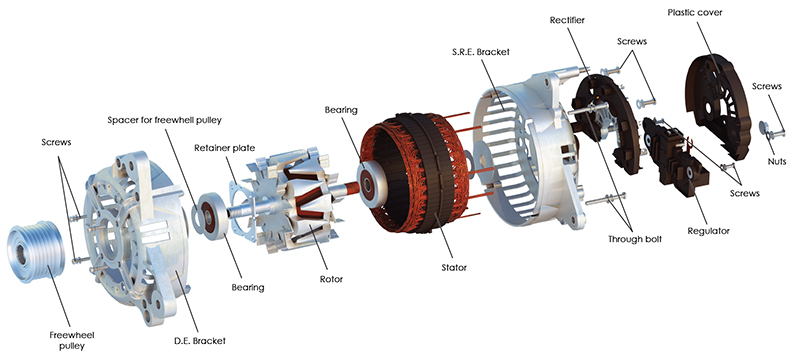
The alternator contains several key components working together to generate and regulate electrical power:
The Rotor and Stator
At the heart of the alternator is the rotor—a spinning electromagnet—surrounded by the stator, which contains stationary wire coils. As the rotor spins inside the stator, it creates a changing magnetic field that induces electrical current in the stator windings.
The Diode Pack
The stator produces alternating current (AC), but your tractor's electrical system needs direct current (DC). The diode pack (or rectifier) converts AC to DC, allowing current to flow in only one direction.
The Voltage Regulator
The voltage regulator controls the alternator's output, typically maintaining 13.5-14.5 volts for a 12V system. Without regulation, the alternator could produce excessive voltage that damages batteries and electrical components, or insufficient voltage that fails to charge the battery properly.
Bearings and Brushes
Bearings support the rotating shaft, while carbon brushes transfer current to the rotor through slip rings. These are wear items that eventually need replacement.
Common Causes of Alternator Failure
Alternators are robust components designed for years of service, but several factors can cause premature failure in agricultural applications.
1. Belt Problems
A loose, worn, or misaligned drive belt is one of the most common causes of charging problems. If the belt slips, the alternator can't spin fast enough to generate proper voltage. An overtightened belt can damage alternator bearings.
The Reality: Belt tension should be checked regularly—too loose and it slips, too tight and it causes premature bearing failure.
2. Worn Bearings
Alternator bearings support the rotor shaft and must withstand constant high-speed rotation. Worn bearings cause noise, vibration, and eventually seize, destroying the alternator.
The Reality: Bearing noise often starts as a faint whine that progressively gets louder. Catching it early can prevent complete alternator failure.
3. Worn Brushes or Slip Rings
Carbon brushes gradually wear down with use. When they become too short, they lose contact with the slip rings, and the alternator stops producing power. Worn slip rings show grooves or rough surfaces that accelerate brush wear.
The Reality: Brushes are maintenance items designed to be replaced. Regular inspection can catch wear before complete failure occurs.
4. Failed Diodes
Diodes convert AC to DC and can fail due to heat, vibration, or electrical spikes. Failed diodes reduce alternator output and can cause AC ripple that damages batteries and electronic components.
The Reality: A single failed diode might not stop the alternator completely but will significantly reduce output, often causing intermittent charging problems.
5. Voltage Regulator Failure
A failed voltage regulator can cause overcharging (damaging the battery and electrical components) or undercharging (leaving the battery discharged). Modern alternators often have internal regulators that require alternator replacement when they fail.
The Reality: Voltage regulator failure can be intermittent, making diagnosis difficult. Testing charging voltage at various RPM helps identify regulator problems.
6. Environmental Damage
Dust, dirt, moisture, and chemical exposure can damage alternator internals. Agricultural environments are particularly harsh, with dust infiltrating through cooling vents and moisture causing corrosion.
The Reality: While alternators are designed to be weather-resistant, prolonged exposure to harsh conditions accelerates wear on all internal components.
Symptoms of a Failing Alternator
Alternator problems rarely appear without warning. Your tractor's electrical system will give you clear signs that charging isn't working properly.
Warning Signs of Alternator Problems:
- Battery warning light illuminated on the dashboard—the most obvious sign of charging system problems
- Dimming lights especially when increasing electrical load or reducing engine speed
- Dead or weak battery despite being recently charged or replaced
- Difficulty starting particularly after the tractor has been running—indicating the battery isn't being charged
- Whining or grinding noises from the alternator area, indicating bearing failure
- Burning smell from overheated alternator components or slipping drive belt
- Flickering or erratic gauge readings caused by unstable voltage output
- Electrical accessories malfunctioning as voltage drops below operating requirements
Important: If the battery warning light comes on while operating, reduce electrical load and return to your workshop as soon as possible. Running on battery power alone risks being stranded with a completely dead battery.
Preventing Alternator Failure
Proper maintenance and operating practices significantly extend alternator life and reduce the risk of unexpected failure.
✓ Regular Belt Inspection
Check drive belt condition and tension regularly. Replace worn belts before they fail and maintain proper tension per manufacturer specifications.
✓ Keep Electrical System Clean
Clean battery terminals and ensure good electrical connections. Corrosion and poor connections force the alternator to work harder.
✓ Monitor Charging Performance
Pay attention to the battery warning light and gauge readings. Early detection of charging problems prevents complete failure.
✓ Avoid Electrical Overload
Don't exceed the alternator's rated output by adding excessive electrical accessories. Continuous overload causes overheating and premature failure.
✓ Protect from Environmental Damage
While alternators are weather-resistant, avoid pressure washing directly on the alternator and keep air vents clear of debris.
✓ Address Noise Immediately
If you hear bearing noise from the alternator, investigate immediately. Early bearing replacement can save the alternator.
✓ Battery Maintenance
Maintain the battery properly. A failing battery forces the alternator to work harder, reducing its lifespan.
✓ Check Mounting Security
Ensure the alternator is securely mounted. Loose mounting causes vibration that damages internal components and bearings.
Quality Alternator Solutions from Emmark UK
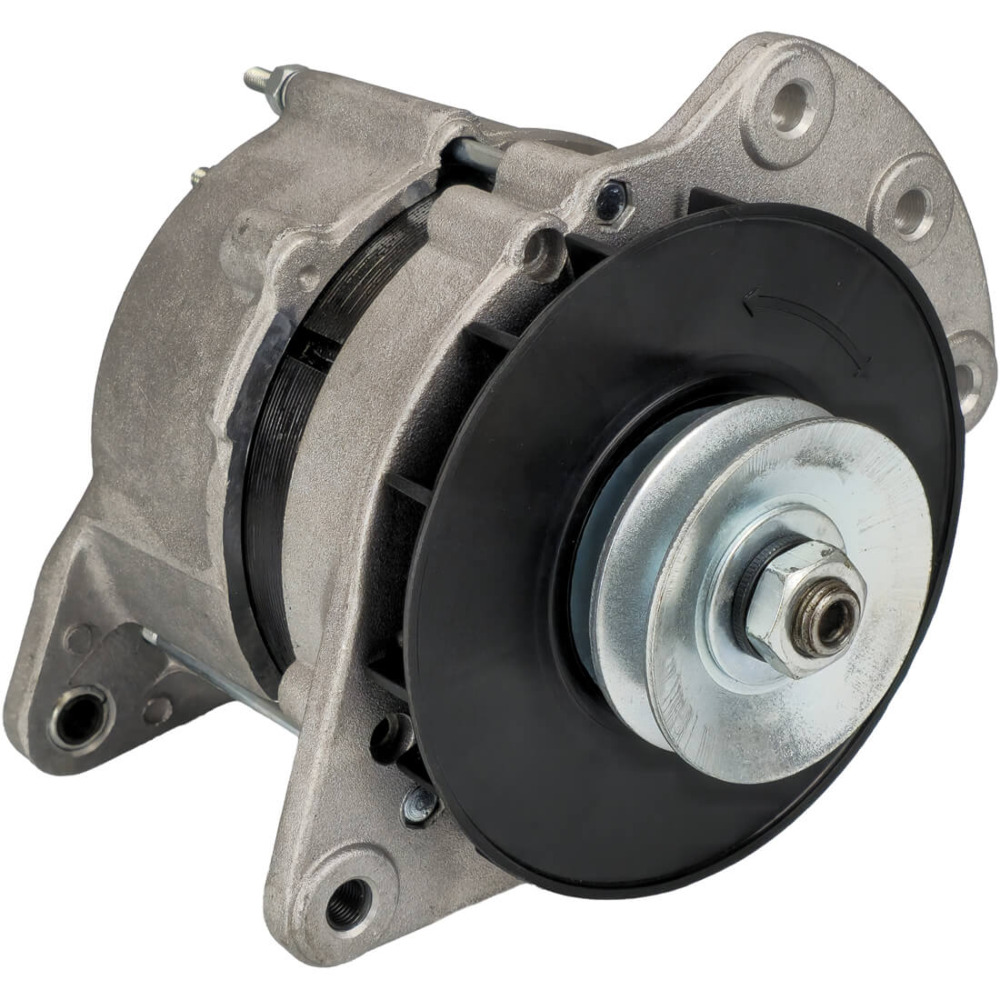
At Emmark UK, we supply quality replacement alternators designed for the demanding conditions of agricultural work. Whether you need a specific OEM replacement or a universal-fit solution, we can help identify the right alternator for your application.
Featured Alternator Range
Our alternator selection includes reliable charging solutions for various tractor applications:
- Universal Fit 12V 65Amp - EM2575 - Versatile solution for a wide range of tractor applications with reliable 65 amp charging capacity
- For International Harvester 14V 65Amp - EM11887 - Designed specifically for IH tractor charging systems
- For FPT Engines - 5801543477 - OEM-equivalent alternator for FPT (Fiat Powertrain Technologies) equipped tractors
Each alternator in our range is manufactured to strict specifications, ensuring reliable charging performance, durability in agricultural environments, and long service life.
What We Provide
- Quality Components: Alternators built to meet or exceed OEM specifications
- Application Support: Help identifying the correct alternator for your tractor
- Technical Guidance: Advice on installation and charging system troubleshooting
- Fast UK Delivery: Quick dispatch to minimize downtime
- Competitive Pricing: Quality alternators at fair prices for the agricultural sector
Need Help with Your Tractor Alternator?
We have years of experience helping our customers out with a wide range of issues. We're always happy to help out with some honest advice (and quality parts!).
So, if you'd like to talk to one of our experts, give us a call on 0113 2552344, or email us at [email protected]. It would be great to hear from you.